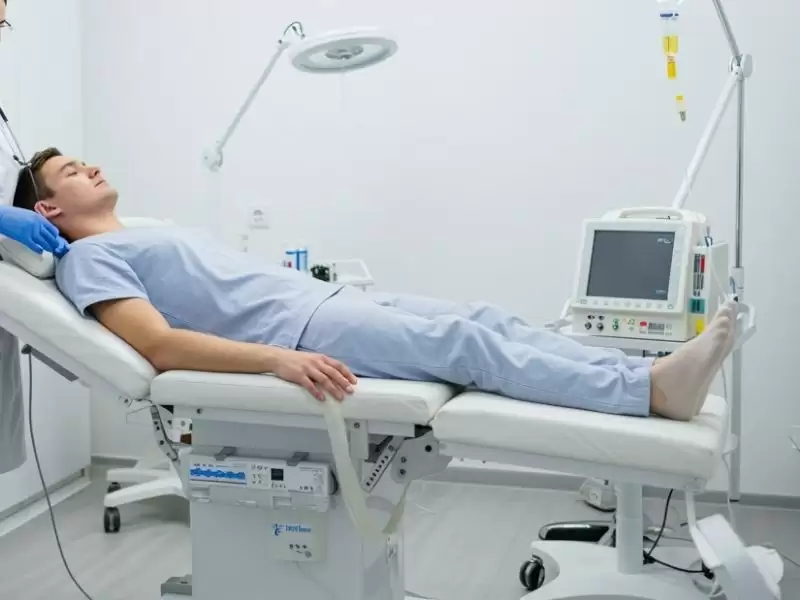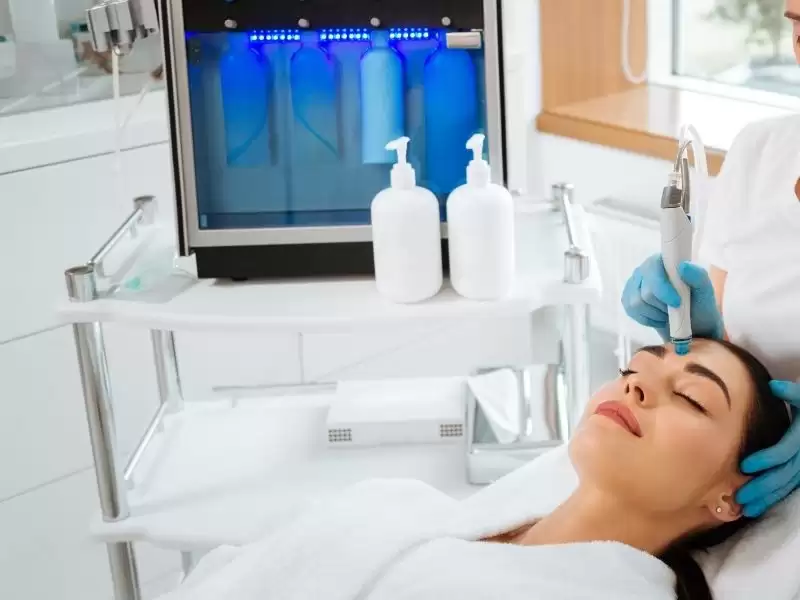
Ozone therapy can be applied with great flexibility through different methods depending on the condition of the disease and the targeted effect. The main modern methods are as follows:
Major Autohemotherapy (MAHT): This is the most commonly used, reliable, and systemically applied method accepted as the "gold standard." 50-250 ml of blood is drawn from the patient into a sterile, ozone-resistant glass bottle, mixed with an ozone-oxygen gas mixture at a specific dose, and then returned to the patient.
- Minor Autohemotherapy (MiAHT): A small amount of blood (5-10 ml) is drawn from the patient, mixed with high-concentration ozone, and injected intramuscularly. This method acts like a non-specific immunomodulator (immune regulator) or an "autovaccine."
- Rectal Insufflation: Application of ozone gas via the rectal route, that is, through the anus. It is a good alternative to MAHT for patients in whom intravenous access cannot be established.
- Local Injections: Injection of ozone gas directly into the joint (intra-articular), muscles, painful trigger points, subcutaneous tissue, or into a herniated disc (intradiscal).
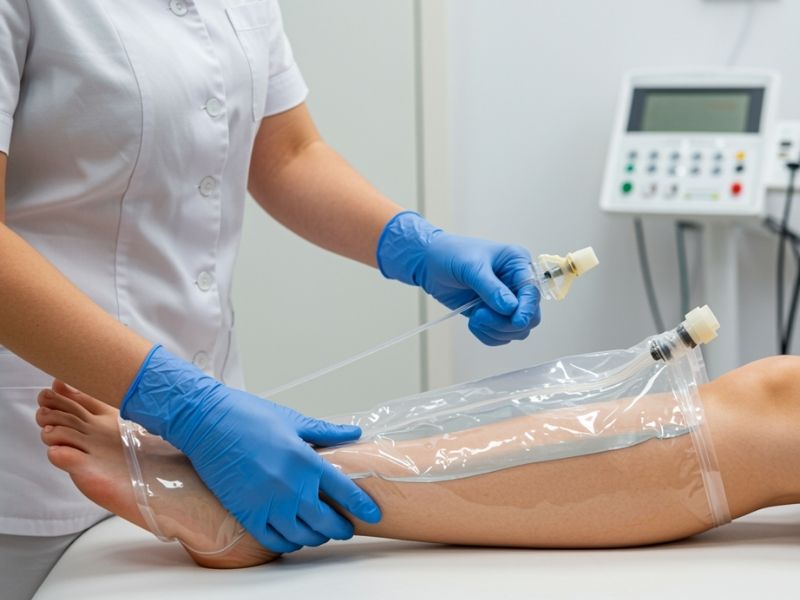
- Bagging: Generally used for diabetic foot, non-healing wounds, and skin infections. The extremity (arm or leg) is placed into an ozone-resistant bag, and ozone gas is delivered into the bag.
- Use of Ozonated Water and Oils: Ozonated water and plant oils such as olive oil are used topically (superficially), especially for wounds, burns, skin lesions, and in dentistry. Ozone is stored stably in oils as "ozonides" and provides a long-lasting effect by slowly releasing H₂O₂ in the applied area.
- Ozone Sauna: Exposure of the whole body (with the head remaining outside) to an ozone-oxygen mixture in a humid and warm cabin.
- Note: Direct intravenous gas injection (DIV) is strictly prohibited and not recommended because it carries a risk of gas embolism and death.
Areas Of Use:
Based on the scientific mechanisms of ozone therapy, the main areas in which it is used are as follows:
- Circulatory Disorders And Ischemic Diseases: Critical ischemic wounds with no chance of revascularization (restoring blood flow), diabetic foot, arterial occlusive diseases.
- Wound Healing: Non-healing wounds, diabetic wounds, pressure sores (decubitus ulcers), burns, and infected wounds.
- Infectious Diseases: Antibiotic-resistant bacterial infections, viral diseases (as supportive care in Herpes, Hepatitis, and HIV), and fungal infections.
- Musculoskeletal System Diseases: Lumbar and cervical disc herniations (especially intradiscal injection), osteoarthritis, inflammatory rheumatic diseases such as rheumatoid arthritis, fibromyalgia, and muscle and tendon injuries.
- Neurological And Degenerative Diseases: Neuropathic pain, age-related macular degeneration (dry type), early stages of senile dementia, and chronic fatigue syndrome.
- As Supportive Care In Cancer Treatment: Ozone therapy does not "treat" cancer. However, it may be used as a complementary method to reduce the side effects of chemotherapy and radiotherapy, support the immune system, and improve the patient’s quality of life.
- Dentistry: Used for the treatment of carious lesions, aphthous ulcers, and for disinfection in various infections.
- Dermatology And Cosmetics: Used in skin rejuvenation (anti-aging), cellulite treatment, and skin diseases such as acne and psoriasis.
In Türkiye, the Ministry of Health has defined the conditions and methods under which ozone therapy may be applied within the scope of the "Regulation on Traditional and Complementary Medicine Practices." These applications may only be performed by physicians and dentists certified in this field.