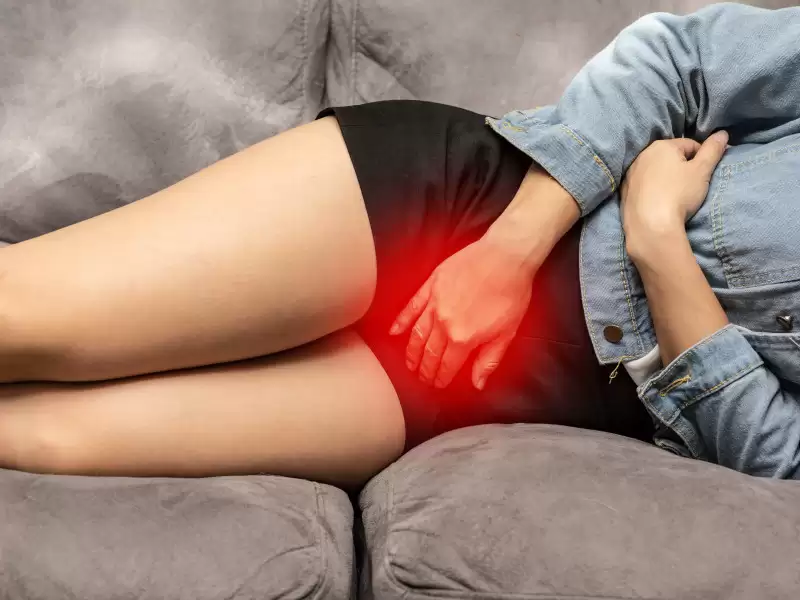
Vaginismus is defined as the formation of involuntary contractions in the muscles surrounding the outside of the vagina. It makes sexual intercourse impossible. This is accompanied by contractions such as closing of the legs, trembling, palpitations, sweating, nausea, vomiting, feeling ill, and crying. The narrowing in the vagina does not allow sexual intercourse in most women. Even if intercourse occurs, it is painful and causes discomfort.
Most women with vaginismus think that their sexual organs are too small and abnormal, that the vagina or hymen forms a wall, that the male sexual organ is too large, that it will hurt a lot, and that it will cause too much damage.
What Is the Incidence of Vaginismus?
Considering how difficult it is to talk about sexuality in our country, it can be understood how insufficient research in this field is. In Turkey, a social survey was conducted to identify sexual problems; 54% of the women who participated in the study said they experienced this fear on the first night and said it was a bad memory with a feeling of pain. In general, we can say that about 50% of the patients who apply to sexual treatment centers in Turkey have vaginismus.
Is Vaginismus Psychological?
The causes of vaginismus may be due to physical and/or psychological reasons, or there may be no cause at all. For most women, vaginismus is defined as contraction, pain, and an unexplained fear during penile entry. Contraction begins as a result of pain occurring in the muscles around the vagina. This can be very surprising even for a woman, because it is not under her control.
The psychological and physical causes that lead to vaginismus-related pain often occur together. The body feels pain and the body triggers a reaction in the vaginal muscles. In other words, the body puts itself into defense against the anxiety it is in. Intercourse is uncomfortable and painful, the severity of the contractions increases, and a vicious cycle of pain is observed.
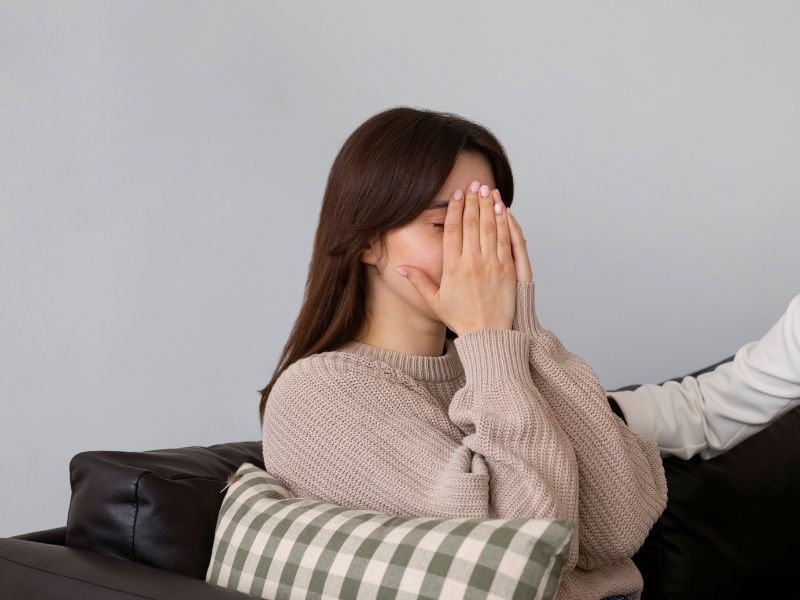
What Are the Psychological Causes?
- Fear: Fear of pain or anticipation in intercourse, fear of pelvic injury, fear of tissue trauma (fear of pregnancy).
- Stress: General anxiety, previous bad sexual experience, emotional trauma related to sexuality, unhealthy feelings, and societal pressure about the hymen.
- Spouse/Partner Issues: Bad behavior, emotional distance, feelings of worthlessness, insecurity, loss of control.
- Traumatic Events: Emotional and sexual life events or bad memories, disgust, witnessing parents’ sexual intercourse, watching pornographic films.
- Childhood Experience: Religious pressure (intercourse is bad), authoritarian parental approaches, damaged sexual image, inadequate sex education, excessively developed inner discipline.
In contrast to all this, sometimes no physical or psychological cause can be found.
Physical Causes of Vaginismus
- Medical Causes: Urinary tract infections, fungal diseases, endometriosis, cancer of the genital and pelvic organs, cysts, pain in the vulva, eczema, psoriasis, vaginal prolapse.
- Childbirth: Difficult vaginal delivery or congenital problems due to pain, cesarean section, miscarriage.
- Age-Related Changes: Menopause and hormonal changes, insufficient vaginal lubrication, vaginal dryness.
- Temporary Disorders: Pain caused by vaginal dryness and insufficient attention by men.
- Abuse: Physical abuse, rape, sexual or physical abuse or assault.
- Structural Causes: Thick hymen, small and large labia, vaginal septum (a curtain in the vagina).
Can Vaginismus Be Treated With Psychotherapy?
An effective treatment process involves both the mind and the body. The mind must get rid of negative situations and anxieties related to sexuality. At the beginning of the treatment process, a detailed evaluation is performed. The disadvantages of a person’s/couple’s sexual knowledge and incorrect education are identified and eliminated. Sexual and non-sexual relationships and emotional communication between spouses are understood, and approaches are demonstrated to ensure cooperation and harmony between them.
Vaginismus treatment enables both the woman to relax in general and to use the vegetative reactions in her body. In addition, it teaches recognizing the vaginal muscles and gradually relaxing them. For this learning process, specialists may also use the biofeedback method, which is a scientifically based method. Recognizing one’s own bodily sensations and the methods used to tense the vaginal muscles constitute an important part of the treatment. Some difficulties may arise while performing these tasks.
If you would like to get information about Psychotherapy; you can click the relevant link.