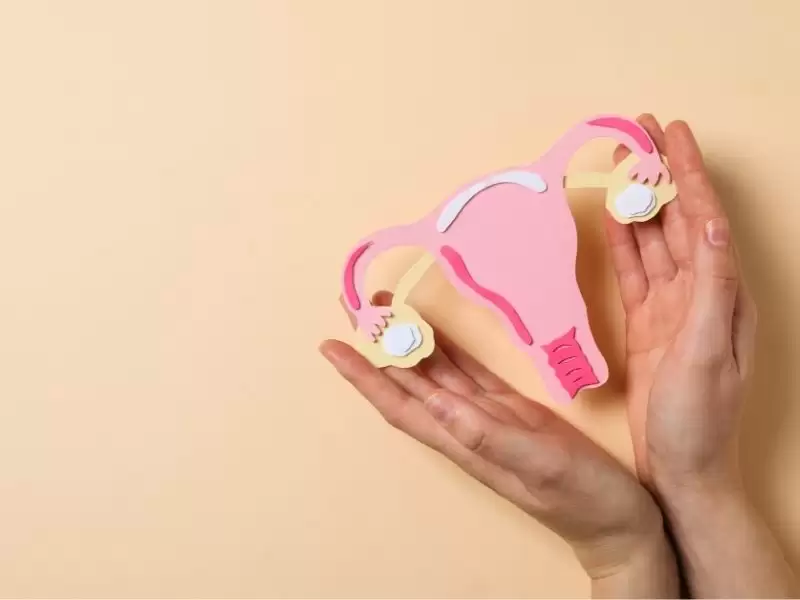
The vagina is an organ that is on average 8–10 cm long and has the ability to stretch enough to accommodate an entire erect penis during sexual intercourse. During normal childbirth, it can stretch enough for a baby’s head and shoulders to pass through.
The muscles around the vaginal entrance help with holding urine, defecation, sexual intercourse, orgasm, bowel movements, and the baby’s passage during childbirth. In other words, these muscles control urine and stool and tighten the vagina at the same time. Likewise, when we urinate and defecate, we relax these muscles, and at the same time the vaginal entrance also relaxes. In women who have negative thoughts about sexuality, intercourse, penile entry, and similar issues, reflex (involuntary) contractions begin in the muscles surrounding the vagina during moments of stress. These muscles contract and squeeze the vagina, anus, and urethral opening, giving an automatic protective response.

Although most women with vaginismus say they love their husbands very much, they experience an extreme degree of anxiety, worry, and fear about the penis entering the vagina. They experience this anxiety and fear so intensely that it causes the muscles around the vagina that close it to contract as a reflex. This is not something these women do deliberately (like the eyelid closing reflexively to protect the eye from an object coming toward it). Vaginismus is a protective reflex that occurs as a result of stress and fear. The cause of stress is the penis-vagina contact. With fears of pain, aching, being pierced, tearing, or bursting, involuntary (meaning outside the woman’s control) contractions prevent sexual intercourse from taking place. It is a physical fear reflex as much as it is a vaginal reflex. This reflex sometimes occurs with a touch, and sometimes with the thought of intercourse or the remembrance of a traumatic event from the past.
Once such a situation becomes established, it turns into a conditioned reflex and arises spontaneously with every attempt or thought of intercourse. Attempts by women with vaginismus to insert any object into the vagina are also perceived as a painful procedure.
The most fundamental symptom in women with vaginismus is experiencing a situation similar to a panic attack at the moment of sexual intercourse. Even if consciousness is clear, the patient loses control. In addition, involuntary contractions occur not only around the vagina but also in accompanying muscle groups. There is muscle tightening throughout the body, anxiety, fear, and panic. The patient tightly closes her legs and pushes her partner away with her hands. Generally, when the intervention in the vaginal area ends, the muscles relax and return to normal. Vaginismus is the condition in which this situation repeats continuously or recurrently for at least 6 months. For various reasons, women may enter into efforts to defend and protect themselves.
Dyspareunia (painful sexual intercourse); occurs due to reasons such as scar tissue after vaginal delivery, loss of elasticity of the vaginal entrance as a result of decreased estrogen, and certain infections. Vaginismus is only one of the causes that can lead to dyspareunia. In women with dyspareunia, it is necessary to investigate whether it is caused by vaginismus.